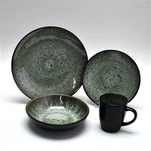
Hand washing is preferred. The surface of ceramic dishes may have subtle textures or decorations, and hand washing allows for better control of cleaning force and area, preventing damage from water flow impact or collisions with other dishes in the dishwasher. If using a dishwasher, choose the porcelain - and - crystal - washing mode, which has a gentler water flow to reduce harm to ceramics.
Avoid microwaving. Gold - rimmed decorations on ceramic tableware can cause sparks due to the interaction between metal and microwaves, leading to corrosion. Even non - gold - rimmed ceramics may crack during microwave heating because of uneven materials, so it's generally not advisable to heat ceramic tableware in the microwave.
Choose the right detergent. Ceramics are sensitive to alkali, so select a detergent with a pH value of 11 - 11.5. Strongly alkaline detergents can react with the ceramic glaze, damaging it over time, affecting luster, beauty, and stain resistance.
Control water temperature. When rinsing ceramic tableware, keep the water temperature below 80℃. High temperatures can create internal stress in ceramics, especially in defective or thin - walled ones, causing cracking. High heat can also alter surface pigments, affecting appearance.
For special situations:
- Treat scratches. Toothpaste's fine particles can gently buff scratches. Apply toothpaste to the scratches, wipe with a soft cloth, and rinse to lessen their visibility.
- Remove tea stains. Tea stains result from tea components reacting with air and water minerals. The acidity in lemon juice or vinegar can neutralize the alkaline in tea stains for easy removal. Apply, soak, wipe, and rinse.
Avoid collisions. Ceramics are brittle, so avoid hitting them against hard objects to prevent cracks or breakage. Be cautious when handling and don't mix them with sharp metal items.
Store correctly. Dry ceramic tableware thoroughly after cleaning to prevent bacteria growth and water stains. Use a special rack or separate with soft materials to avoid friction.
Inspect regularly. Check for cracks and chips frequently and address issues promptly or stop using to avoid accidents like mouth cuts.