

3D printing liberates designers from the constraints of traditional manufacturing. Complex, organic, and asymmetrical shapes that were once a challenge or even impossible to produce are now within reach. Designers can create unique, one - of - a - kind tableware pieces. For example, a 3D - printed ceramic vase might feature a twisting, spiral - like form with a seamless blend of curves and angles. Or a set of dinner plates could have irregular edges and built - in compartments for different food items, all designed to enhance both the aesthetic appeal and the functionality of the tableware.
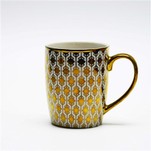
Consumers today crave personalized products, and 3D printing makes it possible for ceramic tableware. Imagine being able to order a set of ceramic mugs with your own customized designs, such as a favorite quote engraved on the side, or a unique family crest. This level of customization not only adds a personal touch but also allows for the creation of commemorative or promotional tableware. A company could order 3D - printed ceramic coasters with their logo and brand colors for corporate events, or a couple could have custom - designed ceramic wedding cake toppers.
3D printing is generally a more sustainable option compared to traditional ceramic manufacturing. It reduces waste significantly. In traditional methods, large amounts of clay may be wasted during the shaping and trimming processes. With 3D printing, only the exact amount of ceramic material required for the object is used. Additionally, the energy consumption can be lower, especially in small - scale production. Some 3D printers can operate on relatively low - power settings, and the elimination of the need for large - scale molds and multiple production steps further contributes to a reduced environmental footprint.
Advantages of 3D Printed Ceramic Tableware
Sep 11, 2025




Send Inquiry