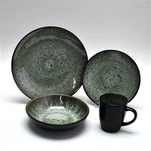
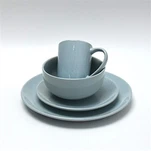
The core method for determining whether ceramic tableware is toxic is to observe its material, appearance, coating, odor, and whether it has been fired at high temperatures. Non toxic ceramic tableware usually uses high-quality natural materials such as kaolin and feldspar, which are fired at high temperatures to achieve a smooth and delicate surface, uniform color, and usually have a layer of lead-free and cadmium free food grade glaze. Avoid choosing ceramic tableware with patterns on the contact surface with food, and try to choose products from well-known brands and legitimate channels.
Firstly, observe the material and appearance. Non toxic ceramic tableware usually uses high-quality natural materials such as kaolin and feldspar, which are fired at high temperatures to achieve a smooth and delicate surface with uniform color. If the surface of the tableware has obvious unevenness, flowing glaze, uneven color, etc., it may be a low-quality product and may contain harmful substances.
Secondly, check the coating and pattern. High quality ceramic tableware usually has a layer of inorganic glaze, which not only enhances brightness and smoothness, but also improves wear resistance and protective performance. The inner walls of the patterns in underglaze and underglaze colors are smooth and do not feel rough to the touch, while overglaze colors feel relatively rough and may contain harmful pigments.